Hospitals and Celiac Disease: When the place of care becomes a food hazard
A hospitalization is an experience that no one faces lightly. It is a time of vulnerability, when one relies completely on the care of professionals to heal.
But what happens when, in addition to the condition that necessitated hospitalization, one has celiac disease? The topic of “hospitals and celiac disease” raises a troubling paradox: the place deputed to maximum health security can turn into a source of risk, anxiety and discomfort for those who must follow a strict gluten-free diet.
For a person with celiac disease, diet is not a lifestyle choice, but the only treatment. Ingesting gluten, even in minute traces, triggers an immune reaction that damages the gut and can compromise the healing process. Yet, even today, the management of gluten-free meals in Italian hospitals is a widespread critical issue that deserves in-depth analysis and collective awareness.
The safety paradox: why the hospital is scary for a celiac
The hospital should, by definition, be a protected environment. Sterilization procedures, strict hygiene protocols and qualified staff are the pillars on which patient safety is built. However, this focus often seems to vanish when moving from the ward to the kitchen. For a patient with celiac disease, the meal tray becomes Russian roulette. The anxiety of potential cross-contamination adds to the stress of the hospital stay.
Celiac disease is a chronic medical condition. Food error in a hospital setting is perceived as even more serious than in a restaurant. In the hospital, the patient has no alternative: he cannot choose another venue, cannot cook for himself, and often cannot even refuse the meal for fear of not receiving more. He is in a position of total dependence, and trust betrayed by the health care system has a devastating psychological impact.
The Gaps in the System: Real Problems Behind the Hospital Tray.
Analyzing the situation, recurring critical issues emerge that turn a celiac’s hospitalization into an obstacle course. These are not isolated incidents, but systemic flaws that require structural interventions.
Staff Training: The Weakest Link in the Chain
The main problem is often little or no specific training of kitchen and meal distribution staff. Many operators know celiac disease only in general terms and are unaware of the risks associated with cross-contamination. They think that simply “taking out the bread” or serving a dish of plain rice is enough to prepare a gluten-free meal.
This superficiality leads to dangerous mistakes. The difference between a generic “special diet” and a “safe diet” for celiacs is abysmal. The former merely excludes an ingredient; the latter requires a strict protocol that includes dedicated work surfaces, separate utensils, specific cooking procedures, and maniacal attention at every stage, from preparation to ‘serving.
Cross Contamination: The Invisible Enemy
Contamination is the most feared risk. All it takes is a bread crumb dropped on a plate, using the same ladle for soup with and without noodles, or cooking gluten-free pasta in the same water as traditional pasta to trigger a reaction.
Here are some concrete examples of common mistakes:
- Unsanitized countertops: Place a “gluten-free” plate on a surface where bread has just been cut.
- Shared utensils: Use the same tongs to serve a side dish intended for all patients.
- Oils and fryers: Fry chips (naturally gluten-free) in the same oil used for breaded cutlets.
- Risk condiments: Use stock cubes, sauces or spice mixes that contain gluten as a thickener or flavoring.
These are not negligible details, but negligence that can have direct consequences on the patient’s health, slowing his or her recovery and causing symptoms such as abdominal pain, diarrhea, and general malaise.
Nutritional Poverty and Taste: When Food Doesn’t Heal
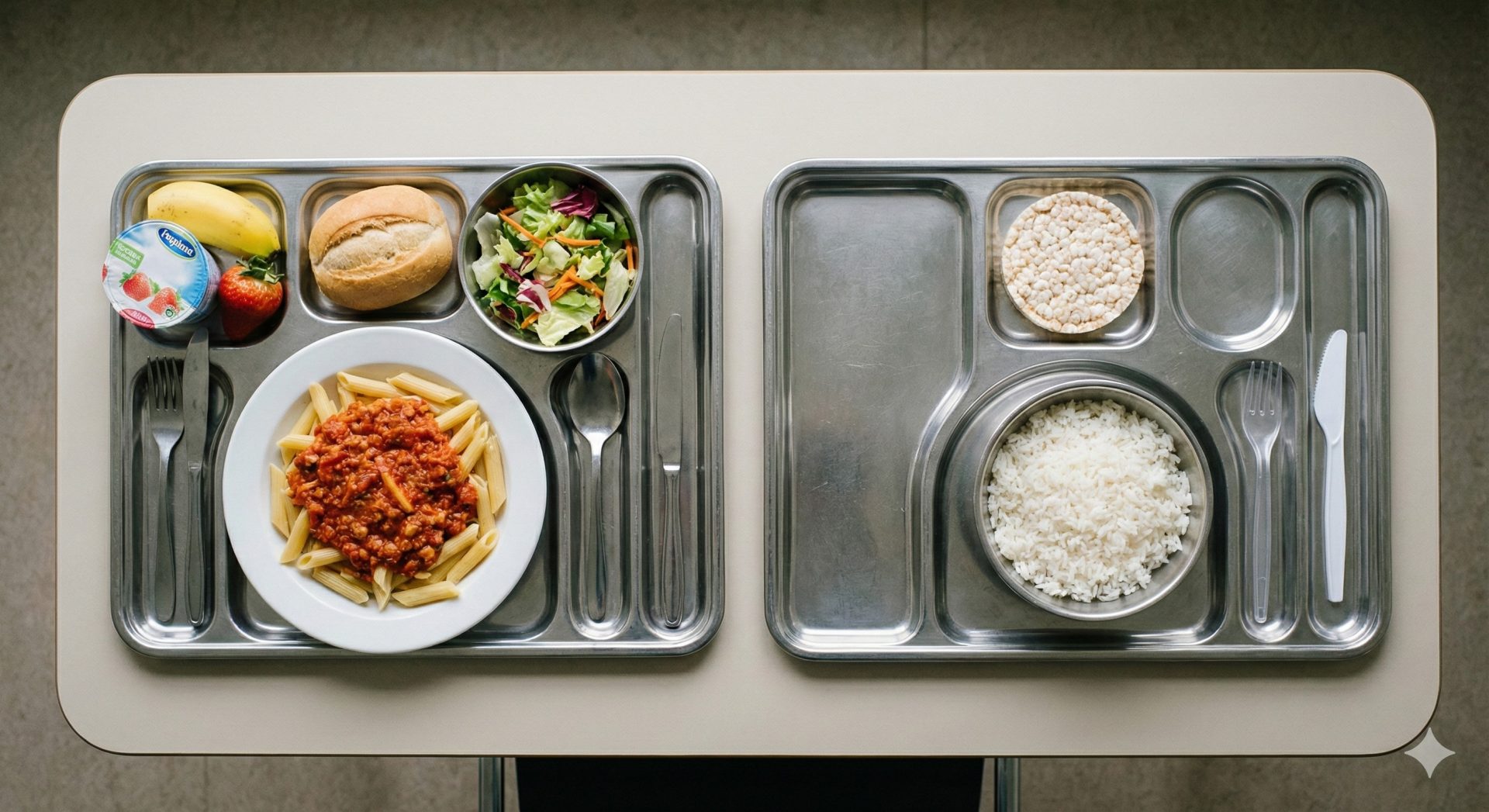
Even when contamination can be avoided, the offerings for those with celiac disease are often bleak. Menus are reduced to a sad repetition of plain rice, grilled chicken breasts, boiled potatoes, and corn cakes. There is a lack of variety, a lack of essential nutrients, and, above all, a lack of taste. Food, which is supposed to be comfort and a source of energy, becomes a further cause of frustration that it is often the family who brings healthy and safe food from home to their hospitalized family member.
Proper nutrition is an integral part of the healing process. A nutritious and palatable meal stimulates the immune system, gives strength and improves mood. Offering inadequate meals is not only ignoring the patient’s needs, but actively hindering his or her recovery process. It is critical that a celiac patient receive a balanced caloric and nutritional intake, something that a meager and repetitive menu cannot guarantee.
The Experience of the Celiac Patient: Between Hunger, Anxiety and Isolation
The impact of this mismanagement is not only physical, but deeply emotional. The celiac patient in the hospital lives in a constant state of alertness. Every meal is preceded by anxious questions, “Are you sure it is gluten-free?”, “Did you use clean utensils?”, “Can I trust you?” This constant need to verify and justify one’s condition is exhausting.
Frustration often turns to hunger. When faced with a dubious or blatantly inadequate dish, many patients prefer to fast rather than risk being sick. This further weakens them at a time when they would need all their energy.
It then adds to a sense of isolation. Seeing other inpatients receive trays with a varied choice while being forced into a sad and tasteless meal makes one feel different, almost punished for one’s condition. Food is conviviality, and even in a hospital bed it shares a social dimension. Being excluded from it is painful. Ensuring tasty and safe food is a gesture of care and inclusion, as essential as drug therapy.
Why does this problem exist? Structural causes
It is legitimate to ask how, in an advanced health care system like Italy’s, these issues are still so entrenched. The causes are complex and interconnected.
Limited Resources and Downward Procurement
Many hospital food services are contracted out to outside firms through tenders won by the most economically advantageous bid. This often results in cuts in raw material quality, staffing and training. Properly managing a gluten-free diet has costs: it requires certified products, dedicated areas and trained staff, all of which are difficult to reconcile with a logic of maximum savings.
Rigid Organizational Processes
Hospital kitchens are designed for mass production. Integrating protocols for special diets requires a reorganization of workflows that many facilities, due to organizational rigidity or unwillingness, do not implement. Without dedicated pathways and clear signage, the risk of human error remains very high.
Lack of Uniform National Standards
The differences between virtuous hospitals and unprepared facilities are enormous, often even within the same region. There is a lack of binding national protocols imposing minimum safety standards for the management of the gluten-free diet. Associations such as the Italian Celiac Association (AIC) have been working for years to promote good practices through programs such as “Nutrition Outside the Home,” but adherence by healthcare facilities is still too fragmented.
Virtuous models and possible solutions
Fortunately, there are also positive examples. Some hospitals of excellence have invested in separate kitchens, dedicated and trained staff, and varied and tasty menus developed with the support of experienced dietitians. These models demonstrate that ensuring safe, quality meals for people with celiac disease is not a utopia, but a viable organizational choice.
What could be done to improve the situation at the national level?
- Mandatory training: Make training on celiac disease and contamination risk management mandatory for all kitchen and departmental staff.
- Standardized protocols: Establish and legally mandate clear operational protocols based on guidelines from professional associations, such as those of theItalian Celiac Disease Association.
- Qualitative Procurement: Include stringent requirements on the management of special diets in hospital catering tenders, rewarding quality and safety rather than just price.
- Use of Certified Products: Encourage the use of packaged and certified gluten-free products, which offer a superior safety guarantee compared to express preparations in non-dedicated kitchens.
- Involvement of Dietitians: Ensure that a dietetics service in each facility actively supervises the preparation and validation of special menus.
Frequently asked questions (FAQ) about celiac disease and hospitalization
What are my rights as a celiac patient in the hospital?
You have the right to receive food that is safe, appropriate to your medical condition, and respectful of your medical condition, as stipulated in the Food Safety and Patients’ Rights Regulations.
What can I do if the meal I am being served does not seem safe?
Report the problem immediately to the nursing staff or head nurse. Ask to speak with a dietitian or the food service manager. If the problem persists, you can report it to the hospital’s Health Department.
Can I bring gluten-free food from home during a hospitalization?
It is generally not recommended or prohibited for sanitation and traceability issues. However, in cases of manifest inability of the facility to provide safe meals, it is an option to discuss with medical staff.
Conclusion: The inviolable right to safe food, always.
To address the issue of hospitals and celiac disease is to claim a fundamental principle: the right to safe food is not an optional extra, but an essential component of care. Negligence in preparing a meal for a patient with celiac disease is not mere carelessness, but a failure of the care system that can have real consequences.
The road to systemic change is still long and requires the combined efforts of institutions, health care providers and patient associations. It is a battle of civilization, to ensure that no one ever again has to be afraid to eat in the very place they went to seek health and protection.
As we strive for a more caring and competent health care system, never give up the pleasure and security of an excellent meal at home. High-quality nutrition, with natural ingredients and authentic taste, is the first step to taking care of yourself.
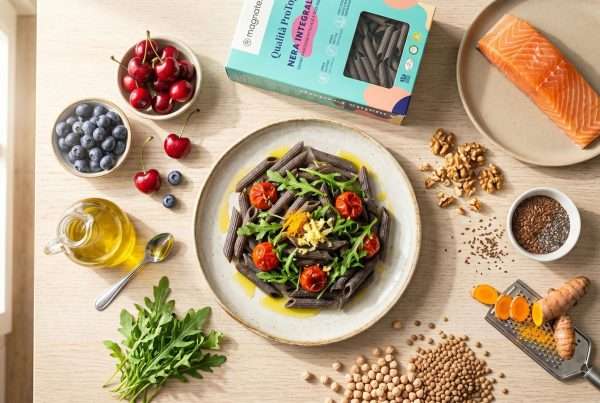
Discover Magnatera’s full line of gluten-free pasta at magnatera.com: 100% Made in Italy, naturally good and safe, because the right to taste is part of the right to health.