Anti-Inflammatory Nutrition: The Complete Guide to Getting Well (Without Giving up Taste)
Do you often feel tired, bloated or just not at your most energetic? It may not just be stress or lack of sleep. Often, the cause lies in what we eat. Welcome to the world ofanti-inflammatory nutrition, a nutritional approach that is not a restrictive diet, but a true lifestyle designed to reduce chronic inflammation in the body, the silent root of many modern ailments.
In this comprehensive guide, we will discover together how to turn your plate into a powerful ally for your well-being. And the good news? You won’t have to say goodbye to the pleasures of the table, not even to a good plate of pasta. In fact, you’ll discover how to choose it to make it an integral part of this virtuous path.
What is Inflammation and Why Should We Care About It?
Imagine you scratch yourself, the area turns red, swollen and hot: this is acute inflammation, a vital response of our immune system to protect and heal us. However, there is another form of inflammation, more insidious and persistent: chronic low-grade inflammation.
This condition does not manifest itself with obvious symptoms (as with a wound or scratch), but it acts in the background, day in and day out, contributing to a wide range of health problems, including:
- Chronic fatigue and mental fog
- Joint and muscle pain
- Digestive problems such as bloating and irritable bowel
- Skin conditions such as acne, eczema and psoriasis
- Increased risk of cardiovascular disease, type 2 diabetes, and neurodegenerative diseases.
Wellness trends for 2025 clearly indicate that fighting chronic inflammation through nutrition is one of the most effective strategies for improving long-term quality of life. Adiet with anti-inflammatory properties is the key to extinguishing this inner fire and regaining energy and vitality.
The Pillars of Anti-Inflammatory Nutrition: What to Bring to the Table
Adopting an anti-inflammatory diet means making conscious choices, favoring natural, nutrient-rich foods that actively fight inflammatory processes. It is not about counting calories, but about increasing the quality of what you eat.
Foods Yes: Your Daily Allies for Wellness.
Nature offers us an endless larder of powerful foods. Here are the cornerstones of anti-inflammatory shopping:
- Dark green leafy vegetables: Spinach, kale (kale), Swiss chard, kale and arugula are loaded with antioxidants and vitamins.
- Colorful fruits: Blueberries, strawberries, raspberries, oranges and cherries are rich in polyphenols, flavonoids and vitamin C, true free radical scavengers and therefore antioxidants.
- Healthy fats: Extra virgin olive oil (raw), avocados, nuts (walnuts, almonds) and seeds (chia, flax, hemp, sesame, sunflower) are valuable sources of essential fatty acids that modulate the inflammatory response.
- Oily fish: Wild salmon, mackerel, sardines and anchovies are extremely rich in Omega-3 (EPA and DHA), the ultimate anti-inflammatory fatty acids.
- Spices and herbs: Turmeric, ginger, rosemary, cinnamon, and cloves not only add flavor to dishes but have very powerful anti-inflammatory properties. Many authoritative studies confirm their effectiveness.
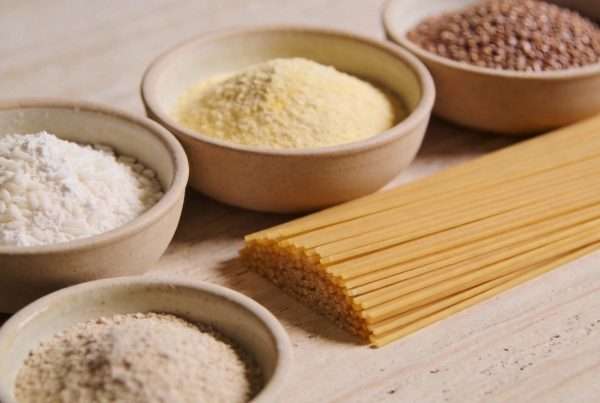
- Gluten-free whole grains and legumes: Quinoa, buckwheat, brown rice, amaranth, as well as lentils, chickpeas, and beans. They are rich in fiber that nourishes the gut microbiota, our first bulwark against inflammation. For those looking for a practical and tasty way to supplement them, pasta is an ideal solution. If you want to learn more, discover all the products in the Magnatera line https://magnatera.com/negozio/
Enemies to Avoid (or Limit) in the Anti-Inflammatory Diet.
Similarly, there are foods that can “throw gasoline on the fire” of inflammation. Limiting them is a key step to feeling better.
Added sugars and refined flours
Packaged sweets, sugary drinks, white bread and industrial baked goods cause glycemic spikes that stimulate the production of pro-inflammatory cytokines. Reading labels to unearth hidden sugars is a good habit.
“Bad” fats
Trans fats (found in many margarines and processed products), an excess of saturated fats (from processed red meats and fatty cheeses), unstable and easily oxidized seed oils can disrupt our body’s balance and promote inflammation.
Gluten and Dairy: Let’s Get Clear
Here the discussion gets more personal. For those with celiac disease, gluten is an absolute enemy. However, an increasing number of people with non-celiac gluten sensitivity (NCGS) experience bloating, fatigue, and pain after consuming products with gluten, due to an inflammatory reaction.
Similarly, dairy products, particularly for those who are lactose intolerant or sensitive to casein, can be pro-inflammatory. An effective strategy is to try a period of elimination (2-3 weeks) of these foods and observe how your body responds. Often, the benefits are surprising.
Pasta in an anti-inflammatory diet? Of course it is!
“So I have to give up pasta?” Absolutely not! This is the most common mistake. The solution is not to eliminate, but to choose intelligently. Traditional durum wheat pasta, especially if refined, can contribute to inflammation in susceptible individuals.
This is where innovation comes in. Pasta is no longer just about wheat. Brands such as
- Red lentil, flax and quinoa fusilli: Rich in plant protein, fiber, omega 3 low glycemic index.
- Buckwheat and black rice penne: Full of minerals, fiber, antioxidants and essential amino acids.
- Noodles with brown rice flour, ginger, pepper, and lemon: The perfect combination of a digestible grain and the ultimate anti-inflammatory spice.
Choosing a Magnatera pasta means transforming a pasta dish from a potential “problem” to a concrete “solution.” It means nourishing the body with clean ingredients, with no additives or added sugars, and enjoying an authentic taste experience with a cooking hold that doesn’t make you regret traditional pasta.
Sample Anti-Inflammatory Food Plan (with Taste)
To make it more concrete, here is how a typical day might be structured:
- Anti-inflammatory Breakfast: Sugar-free coconut yogurt with fresh blueberries, a handful of walnuts and chia seeds. Alternatively, a smoothie with spinach, half a banana, a tablespoon of almond butter and vegetable milk.
- Lunch: A colorful big salad with arugula, cherry tomatoes, avocado, steamed salmon (or chickpeas for a vegan option), dressed with EVO oil and lemon juice.
- Snack: An apple with a handful of almonds or a piece of dark chocolate (>85%).
- Dinner: The perfect time for a nourishing pasta dish. Try Magnatera‘s Capricci Libera brown rice and oats with kale and cashew pesto. A delicious recipe totally in line with anti-inflammatory principles. Find inspiration among our best gluten-free recipes https://magnatera.com/categoria/ricette-pasta/
- After meals: hydrate cin water and sugar-free herbal teas that promote the elimination of toxins (fennel, mint, lemon, citrus, spices).
This day demonstrates how adiet to reduce inflammation can be varied, tasty, and rewarding.
Frequently Asked Questions (FAQ) on Anti-Inflammatory Feeding.
We have collected the most common questions people ask when approaching this lifestyle to give you clear and straightforward answers.
How long does it take to see the benefits of an anti-inflammatory diet?
There is no one-size-fits-all answer, but many people begin to notice the first improvements (less bloating, more energy, brighter skin) as early as 2-3 weeks. The deeper benefits are consolidated over time, turning into lasting well-being.
Does the anti-inflammatory diet make you lose weight?
Weight loss is often a pleasant “side effect,” but not the primary goal. By eliminating ultra-processed foods and sugars and favoring fiber-rich whole foods, the body naturally tends to reach its target weight and reduce inflammation-related water retention. Weight is always the result of a daily calorie balance, if I eat anti-inflammatory foods in excess of my energy requirements I will still gain weight. The issue is not pounds but nutrition.
Should I go vegan or vegetarian?
No. An anti-inflammatory diet may include moderate amounts of fish (especially blue) and white meat from non-intensive farms. However, it is heavily plant-based, making it easily adaptable for those on a vegan or vegetarian diet, as evidenced by the many options for legume-based pastas.
Can I indulge myself?
Of course! Perfection is not required. The 80/20 rule is a great approach: follow the anti-inflammatory principles 80% of the time and indulge in a few treats in the remaining 20%. The important thing is that the exception does not become the rule.
Conclusion: Your Path Begins Today
Embarking on a path of anti-inflammatory eating is one of the most powerful choices you can make for your present and future health. This is not a passing fad, but a return to a more natural, mindful and body-friendly way of eating.
It means choosing foods that really nourish you, reducing those that weigh you down, and rediscovering the pleasure of cooking and eating with gusto. You don’t have to turn your life upside down overnight; you can start with small steps, such as replacing traditional pasta with a high-quality gluten-free alternative or adding more vegetables and spices to your dishes.
The key is choice. Choose “clean label” ingredients, without additives and GMOs. Choose the authentic flavor of Made in Italy. Choose not to give up a pasta dish, but to make it your ally.
You don’t have to sacrifice taste to be well. Start your journey today toward a life with less inflammation and more energy.
Are you ready to turn your favorite dish into a source of well-being?
Discover Magnatera’s full range of gluten-free pasta, made in Italy from the finest natural raw materials.
Visit magnatera.com and bring the taste of health to the table.