The Gluten-Free Phenomenon in 2025: From Medical Requirement to Global Wellness Choice
Once relegated to an almost hidden shelf in the supermarket, the world of gluten-free is now the protagonist of a real cultural and food revolution.
The growth of the gluten-free diet not only by medical induction but as a lifestyle choice is one of the most significant trends of our time. It is no longer just a necessity for celiacs or people with gluten sensitivity, but a conscious choice that embraces wellness, naturalness, and a new way of understanding food.
This radical change is reshaping our habits, affecting purchasing behavior and even sacred traditional cooking. But what is really behind this transformation? Is it just a passing fad, driven by social media, or a sign of a deeper evolution in consumer perceptions about health and food? In this article, we explore the gluten-free phenomenon in 2025, analyzing its roots, impact, and future directions.
Beyond Celiac Disease: The Motivations Behind the Gluten-Free Choice
While in the past the word “gluten-free” was synonymous with “medical diet,” today the reasons why millions of people choose these products are much more varied and complex. The decision to eliminate or reduce gluten is increasingly linked to a proactive search for wellness.
The Quest for Intestinal Wellness and General Health
One of the main thrusts is the increased awareness of the importance of gut health, the so-called “second brain.” Many consumers, while not diagnosed with celiac disease, report benefits such as:
- Reduction of bloating and digestive heaviness.
- Increased energy levels.
- Improved mental clarity.
This choice is part of a macro-trend geared toward prevention and listening to one’s body. It is not about demonizing gluten, but about recognizing that a personalized, mindful diet can improve quality of life.
The Influence of “Clean Label” and “Free From” Trends.
The gluten-free choice walks hand in hand with other dominant trends such as “clean label “ and “ free from.”
Consumers of 2025 are informed, demanding, and want products with short, understandable ingredient lists that are free of superfluous elements.
The search for foods without additives, added sugars, dyes or emulsifiers has become a priority. In this context, brands like Magnatera position themselves as an ideal answer, offering pasta that is not only gluten-free, but is also made with 100% natural, non-GMO and often organic raw materials. This transparency builds a fundamental relationship of trust with the modern consumer.
Attractiveness for a Vegan and Vegetarian Audience
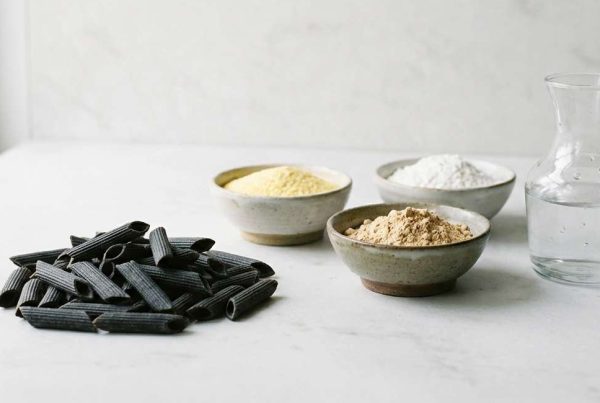
Often, the most innovative gluten-free products perfectly intercept the needs of vegan and vegetarian audiences. The use of alternative flours such as those made from legumes (lentils, peas), buckwheat, or quinoa not only eliminates gluten, but also enriches the product with plant protein and fiber, making it a complete and functional food for those on plant-based diets.
The Impact of Social Media: How Influencers and Trends Drive Purchases.
Impossible to analyze the growth of gluten-free without considering the monumental role of social media.
Platforms such as Instagram, TikTok, and YouTube have become the new agoras where food trends are formed and spread.
#GlutenFree: Normalization and FOMO in the Shopping Cart.
The #glutenfree hashtag has hundreds of millions of posts. Food bloggers and influencers daily showcase gluten-free dishes that are inviting, colorful, and anything but punishing. This visual narrative has had two main effects:
- Normalization: Made the gluten-free diet accessible and desirable, removing the stigma of “sick food.”
- FOMO (Fear Of Missing Out): It has created a kind of “fear of being excluded” from the wellness trend, prompting even the most curious consumers to try gluten-free alternatives to see if they can benefit.
This impact of social media has transformed a niche need into a mass phenomenon, directly influencing the buying behaviors of an entire generation.
From Trend to Awareness: The Rise of the Critical Consumer.
While social media amplifies trends, it also helps create more informed consumers. After an initial phase of joining the “trend,” many users begin to do more in-depth research, read labels, and distinguish high-quality products from those that simply ride the wave. They look for authenticity, taste and nutritional value, not just a “gluten-free” label.
Gluten-Free Diet and Italian Culinary Tradition: A Marriage Possible?
Here we touch a raw nerve for Italian gastronomic culture. Pasta, bread, pizza: gluten is the soul of many of our most iconic dishes. The idea of
Reinventing Regional Recipes Without Giving Up
The challenge is not to eliminate tradition, but to reinterpret it. A carbonara, a pesto alla genovese or a ragù alla bolognese do not lose their identity when paired with a high-quality gluten-free pasta. The secret is all in the product: it must have an impeccable hold during cooking, a porous surface that captures the sauce, and, above all, an authentic flavor that does not make you regret durum wheat pasta.
Magnatera pasta was born with precisely this mission: to bring the true taste of Italian pasta to the table in a gluten-free version. Thanks to innovative recipes that balance corn and rice flours with ingredients such as buckwheat, quinoa or even seaweed, the result is a product that convinces even the most traditionalist palates. You can find inspiration in our recipes dedicated to
Magnatera gluten-free pastas
.
Food Technology in the Service of Taste
Early gluten-free products 15-20 years ago were often disappointing in terms of texture and taste. Today, thanks to research and advanced production techniques, this has completely changed. The experience of family-owned pasta makers like Pangea, producer of Magnatera, combines Made in Italy craftsmanship with innovation, creating pasta shapes that are indistinguishable from traditional ones in terms of taste and cooking performance.
Frequently Asked Questions (FAQs): Let’s Clarify the Gluten-Free World by Choice
Queries on search engines and questions to voice assistants reflect consumers’ concerns and curiosity. Here are some clear and straightforward answers.
- “Does gluten-free eating make you lose weight?”
- No, not automatically. Weight loss depends on the total calorie balance and the overall quality of the diet. Replacing a traditional pasta with an ultra-processed, fat-rich gluten-free pasta is not beneficial. Instead, choosing natural, balanced products as part of a healthy lifestyle can contribute to wellness and weight control.
- “Is a gluten-free diet healthier for everyone?”
- Not necessarily. For those without celiac disease or gluten sensitivity, there is no definitive scientific evidence that a gluten-free diet is inherently healthier. However, often those who choose this path tend to consume more fruits, vegetables, and unprocessed foods, thereby improving the quality of their diet. The important thing is to make informed choices and not eliminate entire food categories without a criteria.
- “How can I start a gluten-free diet without sacrificing taste?”
- This is the key question! The key is to choose the right products. Don’t settle. Look for brands that invest in quality raw materials and work to deliver a superior taste experience. A pasta like Magnatera, for example, is designed precisely for those who don’t want to compromise between health and flavor.
- “Are gluten-free products always vegan or organic?”
- Not always. “Gluten-free” indicates only the absence of gluten. A product may be gluten-free but contain eggs or other animal derivatives. It is important to always read the label.
- Many high-end brands, however, combine these certifications, offering products that are simultaneously organic, vegan, and gluten-free, meeting the needs of an increasingly discerning consumer.
Conclusion: A Choice of Taste and Awareness
The growth of the gluten-free diet as a lifestyle choice in 2025 is more than just a trend. It mirrors a profound change in our relationship with food, driven by increased awareness, the quest for wellness, and the desire for natural, transparent, and sustainable products.
The good news is that today it is no longer necessary to choose between health and taste, between tradition and innovation. The market offers excellent solutions that allow people to embrace a gluten-free lifestyle without sacrificing the pleasure of good food and, in particular, of a great Italian pasta dish.
Your journey to taste-filled wellness starts here. Explore a world of authentic flavors and natural ingredients.
Discover the full range of Magnatera pasta at magnatera.com and be surprised by how tradition, health and taste can meet on your plate.