Legume pasta: real benefits, when to use it and when not to use it
In recent years, legume pasta has gained an increasingly important place on supermarket shelves and in the kitchens of those seeking more nutritious alternatives to traditional pasta. But is it really as amazing as it is told? Is it good for everyone? And how can it be cooked without turning it into a sticky lump?
In this article you’ll find a comprehensive and honest guide to legume pasta: the real benefits, times when it’s best to avoid it, tips for cooking it to perfection, and how to integrate it intelligently into a balanced diet-even if you’re celiac or gluten-sensitive.
Legume pasta: what’s really in it
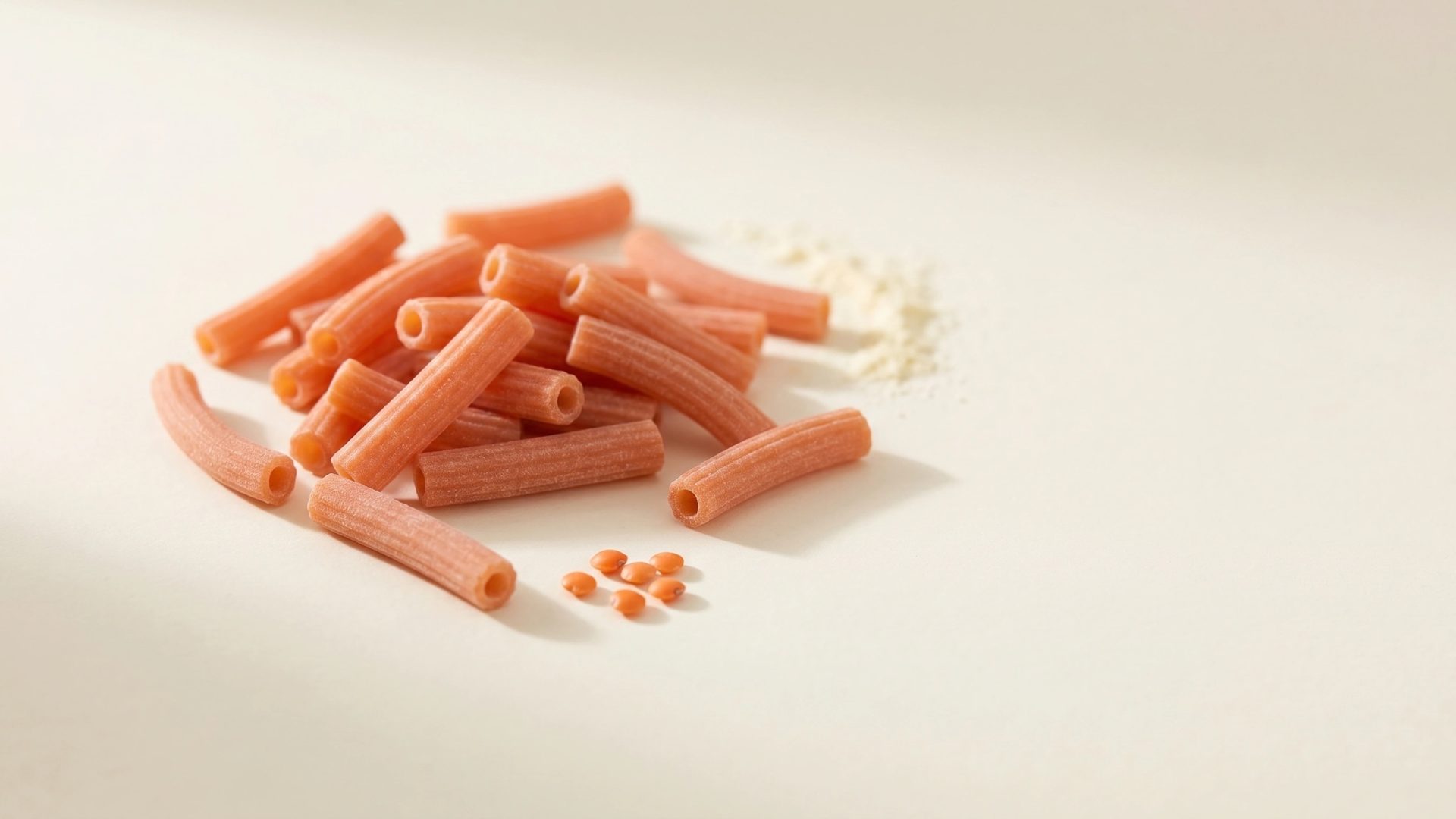
Legume pasta is made from the flour of one or more legumes: red or green lentils, chickpeas, peas, black beans, edamame. Some versions mix legume flours with starches or other gluten-free flours, such as rice or corn flour.
Compared with traditional semolina pasta, the nutritional difference is significant:
- Plant protein: an 80 g serving of lentil pasta can contain up to 20 g of protein, compared with 8-10 g of wheat pasta
- Fiber: the fiber content is almost double that of traditional pasta
- Lower glycemic index: due to the presence of fiber and protein, which slows the absorption of sugars
- Natural gluten-free: most legumes do not contain gluten (always check certification for those with celiac disease)
This nutritional profile makes it attractive to many, but not automatically suitable for everyone.
The real benefits of legume pasta
More satiety, less hunger over time
One of the most appreciated benefits of legume pasta is its ability to keep hunger at bay for more hours. The protein and fiber slow gastric emptying, which means you’ll feel full longer than an equivalent serving of classic pasta.
This makes it especially useful for those on a weight control regimen or those who want to avoid mid-afternoon energy dips after lunch.
A valuable ally for those who play sports
Those who engage in physical activity-especially endurance sports or weight training-need an adequate protein intake throughout the day. Legume pasta offers a good amount of complete or semi-complete plant protein, making it an excellent alternative or supplement to animal protein sources.
When consumed as a pre-workout meal (2-3 hours before), it provides stable energy without glycemic spikes. As a post-workout meal, it contributes to muscle recovery due to protein.
Supporting a plant-based diet
For those on a vegan or vegetarian diet, finding satisfactory sources of protein is not always easy. Legume pasta provides a convenient and tasty way to increase protein intake without resorting to supplements or ultra-processed foods.
Combined with grains (such as rice or corn) or vegetables, it can form complete proteins covering all essential amino acids.
Gut health benefits (in the long run)
The fiber in legumes is predominantly soluble and resistant fiber, which nourishes the gut microbiota. Healthy bacterial flora is associated with a better immune system, more stable mood, and reduced risk of metabolic diseases.
Be careful, however: this benefit is only achieved if your gut is healthy and you are accustomed to a high-fiber diet.
When legume pasta is not the right choice
Intestinal sensitivity and irritable bowel
This is perhaps the most common situation in which legume pasta can do more harm than good. Legumes contain fermentable oligosaccharides (part of the so-called FODMAPs) that in people with irritable bowel can cause:
- abdominal bloating
- excessive meteorism
- cramping pains
- Alternating diarrhea or constipation
If you suffer from irritable bowel syndrome (IBS) or have a particularly reactive colon, introducing legume pasta in large quantities can worsen symptoms. In such cases, it is preferable to opt for gluten-free pasta made from rice, corn or buckwheat, which is much better tolerated by the sensitive gut.
Stages of digestive stress or recovery
After a stomach flu, a period of high stress, or during a phase of gut dysbiosis, the digestive system is more fatigued and less efficient. At such times, a food rich in fermentable fiber such as legume paste can further overload the intestines.
The general rule is: the more delicate the digestive moment, the simpler the food should be.
Hypothyroidism and some specific conditions
Some varieties of legumes contain goitrogenic substances, which in large quantities and frequent consumption can interfere with thyroid function. Those with hypothyroidism should consult their doctor before significantly increasing legume paste consumption.
Very young children
For children under 2-3 years of age, excess fiber may interfere with nutrient absorption. Legume paste can be introduced gradually, but carefully and in moderate amounts.
How to introduce it gradually (without regretting the choice)
The secret to enjoying the benefits of legume pasta without suffering from the side effects is gradualness.
Here is a practical approach:
- Week 1: Replace one meal a week with legume pasta. Observe how your gut responds.
- Week 2: If you have no symptoms, you can go to 2 times a week.
- From the third month onward: you can include it permanently in your weekly rotation, alternating it with other types of pasta.
Drink plenty of water on days when you consume legumes: fiber needs fluids to “work” properly without causing bloating.
How to bake it without the glue effect
Those who have tried legume pasta before know that it can easily turn into a sticky, shapeless mass. The reason is that legume flours release a lot of starch during cooking.
Here are practical tips for cooking it to perfection:
Use lots of water
Use at least 1 liter of water for every 100 g of dough. Ample water dilutes the released starch and prevents the dough from sticking.
Respect cooking times (often shorter than expected)
Legume pasta cooks faster than traditional pasta. Start tasting it 2 minutes before the time indicated on the package. Overcooking is the main cause of the glue effect.
Do not cover with lid
Always cook uncovered and over high heat. Retained steam promotes gelatinization of starches.
Drain and season immediately
Do not let it rest in the colander: it should be seasoned immediately. Pouring a drizzle of extra virgin olive oil as soon as it is drained helps separate the pieces and keep it al dente.
Don’t rinse it out (or do it consciously)
Rinsing pasta removes some of the starch and can be useful in some cold preparations (such as pasta salads). But if you want to use it with a sauce, it is best not to rinse it to maintain the ability to “hook” the sauce.
What condiments to pair it with
Legume pasta has a strong, earthy flavor. Not all seasonings go well with it.
Condiments that work well
- Light fresh tomato sauces with basil and EVO oil: they enhance flavor without covering it up
- Creamy vegetable-based condiments: zucchini cream, bell pepper cream, hummus diluted with cooking water
- Basil or pistachio pesto: the intensity of pesto balances the strong flavor of legumes
- Vegetable ragout: lentil pasta with tomato and vegetable ragout is a very successful classic
- Oil, garlic and herbs: minimalism works great
Condiments to avoid (or use with caution)
- Very fatty or buttery cheeses: they risk further weighing down an already protein-heavy dish
- Very starchy sauces (e.g., pasta and potatoes with legume pasta): the combination of different starches can be heavy
- Ultra-sweet sauces: the naturally “green” flavor of legumes ill-matched with sweet hints
- Meat: risk further weighing down an already protein-heavy dish
How to alternate it with traditional gluten free pasta
Legume pasta should not completely replace traditional gluten free pasta-they should coexist in a complementary way.
A clever rotation might be this:
- 2-3 times a week: gluten-free pasta made from corn, rice or buckwheat (Magnatera’s “Protop Quality” and “Le Classiche” lines)-ideal for more delicate meals, for children, on days after intense training or when the gut is more sensitive.
- 1-2 times a week: legume pasta – on days when you want to increase protein intake or want more satiety (Magnatera “Le-gusto” line).
This alternation allows for the best of both types.
Frequently asked questions about legume pasta
Is legume pasta fattening?
No, no more than traditional pasta. For the same portion size, it has a lower glycemic index and more protein, which tends to reduce overall calorie consumption in the day due to increased satiety.
Is it suitable for people with celiac disease?
Legumes are naturally gluten-free, but legume pasta may be produced in plants that also process grains containing gluten. For people with celiac disease, therefore, it is essential to choose products certified with the ministerial seal. Always check the label.
Can I give it to children?
Yes, but gradually and not exclusively. Children tolerate legumes well from 18-24 months. Start with small amounts and observe the reaction.
How many times a week can I eat it?
For most healthy adults, 2-3 times a week is an optimal frequency. Those with sensitive gut should start with 1 time per week.
What is the difference between lentil pasta and chickpea pasta?
Lentil pasta tends to have a more neutral flavor and a texture more similar to traditional pasta. Chickpea pasta has a more pronounced flavor and a slightly grainier texture. Both are great, but pair differently.
Does legume pasta help you lose weight?
It can be a valuable support in a weight-loss plan due to prolonged satiety, but by itself it does not work wonders. It needs to be incorporated into a balanced diet and active lifestyle; weight is lost only by prolonged calorie deficit over time.
Did you know that?
- Red lentils are among the most easily digestible legumes and are one of the most commonly used bases for legume pasta
- Cooking “al dente” is not just a matter of taste: shorter cooking time further lowers the glycemic index of legume pasta
- Legume pasta consumption in Italy to grow by 40 percent between 2022 and 2026, driven by demand for high-protein and gluten-free products
- Legumes are one of the foods with the smallest environmental footprint because they require little water: consuming them also means making more sustainable choices
Conclusion: legume pasta yes, but intelligently
Legume pasta is an amazing food, but it is not magic or suitable for every situation. Its benefits-more protein, more fiber, increased satiety, support for the plant-based diet-are real and documented. But equally real are the limitations: it is not suitable for all gut types and does not go with every condiment.
The key is to use it with awareness: introduce it gradually, cook it properly, alternate it with other types of gluten-free pasta, and choose seasonings that enhance the flavor without weighing down the dish.
Whether you are celiac, gluten intolerant or simply looking for natural, healthy and tasty pasta, Magnatera offers a range of 100% Made in Italy gluten-free pasta made with natural ingredients, no additives and no compromise on taste.
Discover all the shapes and recipes in Magnatera’s “Le-gusto” line at magnatera.com and find the right pasta for every need-whether you want more protein, a happy gut or simply a dish that really tastes like real pasta.
Sources of insights:
- National Research Institute for Food and Nutrition (CREA) – Nutrition tables of legumes
- Harvard T.H. Chan School of Public Health – The Nutrition Source: Legumes
- Italian Celiac Association (AIC) – Guidelines for the gluten-free diet
- Monash University FODMAP Research – www.monashfodmap.com