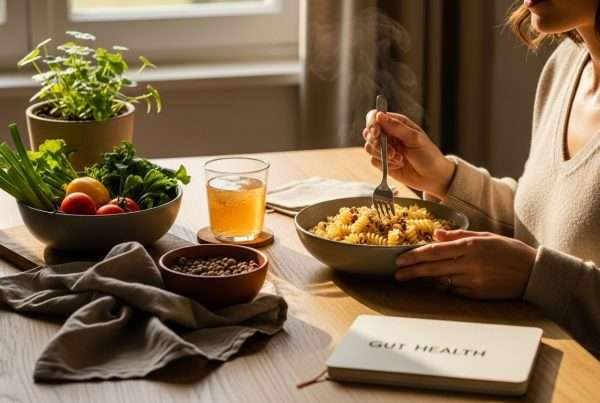
How much is your Health worth?
The true price of food and why choosing well today is the best cure for tomorrow
Has this ever happened to you? You’re in the supermarket, in front of the pasta shelf, and you notice two seemingly similar packages. One costs little, the other more.
The question arises, “Why should I pay more?” It is a legitimate question that we have all asked ourselves.
But what if we told you that price is only an infinitesimal part of the story?
What we often fail to see is the value hidden behind that label. This article is an invitation to deeper reflection: valuing the importance of food choices today to avoid tomorrow’s diseases and cures is the smartest investment you can make.
We live in an age of abundance, but also of great food confusion. We are bombarded with offers, promotions and products that scream “convenience.” The real challenge, however, is not to fill the cart with the lowest possible cost, but to feed ourselves with awareness. We will discover together why a quality product, such as Magnatera artisan pasta, is priced differently and why that price represents a true investment in the most valuable asset you possess: your health and that of your family.
Beyond the cart: The hidden value behind a quality product
When comparing two products, price is the simplest but also the most misleading metric.
The cost of a food is not only defined by the basic ingredients, but by a whole ecosystem of choices, values and processes. Explaining the value not only of craftsmanship, but also of the choice to produce without using additives, with selected and fresh raw materials, is critical to understanding what we really bring to the table.
The choice of raw materials: not all flour comes from the same bag!
Imagine a buckwheat field cultivated according to nature’s rhythms, without pesticides, in rich, vital soil. Now imagine a huge intensive plantation, where the priority is maximum yield at the lowest cost. The resulting raw material cannot be the same.
A manufacturer like Magnatera invests in finding suppliers who share the same philosophy:
- Natural and non-GMO raw materials: The certainty of using ingredients that have not been genetically modified is a cornerstone of healthy eating.
- Often organic ingredients: Organic farming respects the earth and ensures there are no chemical residues in the final product.
- Controlled supply chain: Knowing the origin of every single grain of rice or legume means ensuring transparency and safety from field to table.
- Purchasing in small batches: Buying raw materials in bags and small batches instead of filling a silo with tons of flour (which is more convenient), allows you to use fresh flours and give a continuous turnover to the raw materials used without them going rancid, developing mold or becoming infested with insects that typically attack foodstuffs.
This meticulous selection comes at a cost, but it ensures a more nutrient-rich, tastier, and most importantly, cleaner end product for you!
The art of craft production compared with industrial processes
Another determining factor is the production method. The large-scale industry focuses on speed: very high temperatures to dry pasta in a few hours, Teflon dies for higher hourly production, few formats for a standardized and optimized product, use of additives to avoid production waste, reuse of production waste so nothing is thrown away.
Handicraft production, on the contrary, is a symphony of patience and wisdom:
- Slow drying at low temperatures: Magnatera dries its dough at low temperatures for many hours. This seemingly “inefficient” process is crucial to preserving the nutritional properties of the flours, keeping flavor profiles intact and ensuring unparalleled texture and hold during baking, and to simulate the drying that originally took place in the sun.
- Bronze Drawing: The porous, rough surface achieved with bronze drawing dies is not an aesthetic quirk. It is what allows the pasta to capture and hold the sauce, turning a simple dish into a superior taste experience.
- Small-batch production: Producing in small batches allows tight quality control on each individual production, to change formats and flour blends to offer differentiation and meet different needs of discerning consumers; luxuries the industry cannot afford.
This approach requires making a choice from the outset about how much time and dedication you want to commit each day. It is the difference between a “made” product and a “created” product.
The Clean Label (Clean Label): What does “Without Additives” really mean?
“Clean Label” is more than a fad; it is a promise of transparency. It means offering you a product with a short, simple and understandable list of ingredients. It means saying no to anything that is not strictly necessary and natural. It’s a very important statement because those who don’t use additives always care to state it clearly, those who don’t are because they can’t (yes, even if you don’t see additives written among the ingredients there could still be additives, because in Italy there is a regulation that allows you to omit them under a certain %…watch out!)
Pasta Magnatera chooses not to use:
- Emulsifiers (e.g., mono- and diglycerides of fatty acids, E471): Often used to improve the workability of doughs thereby reducing waste at the industrial level, their usefulness is related solely to the production process, certainly not to the benefit of the consumer.
- Thickeners and stabilizers: They serve to mask low-quality raw materials or standardize texture. Good flour and skilled processing don’t need them and neither does your gut.
- Dyes and added sugars: Color and flavor must come exclusively from the intrinsic quality of raw materials (corn, rice, legumes, seaweed, spices), not from chemical shortcuts.
Choosing a “without” product means choosing a food that is purer and closer to its natural form, and, yes, that has value.
This choice is invaluable to our bodies.
Food as preventive medicine: Today’s choices, tomorrow’s health
The question “How much is your health worth?” is not rhetorical or even provocative. Numerous scientific studies confirm the close correlation between nutrition and long-term health. A diet based on processed foods high in sugar, low-quality fats and chemical additives is a major risk factor for the development of chronic diseases.
How proper nutrition can prevent future diseases
The World Health Organization (WHO) highlights how a healthy diet is critical for the prevention of cardiovascular disease, type 2 diabetes and other metabolic conditions. Here’s how quality food plays an active role:
- Reducing Inflammation: Natural and whole foods help counter chronic low-grade inflammation, considered the antechamber of many modern diseases.
- Gut health: Clean, fiber-rich, additive-free food nourishes the gut microbiota, our “second brain,” which regulates not only digestion but also the immune system, hormone balance and mood.
- Micronutrient intake: Quality raw materials and gentle manufacturing processes ensure a higher intake of vitamins, minerals and antioxidants, which are essential for the proper functioning of every cell in our body.
Now that we have laid the main pillars, it is clear how the proactive approach to health through nutrition will no longer be an option, but a necessity.
The long-term investment: calculating the real cost of “convenience”
Let’s go back to our choice at the supermarket. That product that costs 1€ less today, what might its hidden cost be tomorrow?
Poor nutrition can result, over time, in:
- Health care costs (specialist visits, medications, therapies).
- Loss of energy and productivity at work.
- A lower quality of life.
The euro saved today could cost hundreds, if not thousands, tomorrow. Seeing spending on quality food not as a cost, but as a “wellness accumulation plan,” completely changes the perspective. Paying a higher price for artisanal, natural, clean food is like making a daily contribution to your health retirement fund.
Magnatera: not just Gluten Free pasta, but a pact for your well-being
Understanding the value of quality food is the first step. The second is knowing who embodies these principles. Magnatera is not simply a brand of gluten-free pasta; it is an expression of a philosophy that puts your well-being at the center of every choice.
From Land to Plate: The Philosophy of Magnatera
Born out of the experience of Pastificio Pangea, a family business from Veneto, Magnatera is the perfect synthesis of Italian tradition and healthy innovation. Each package of pasta is a pact of trust with you, the consumer:
- 100% Made in Italy: The entire supply chain, from flour selection to packaging, takes place in Italy, guaranteeing the highest quality and safety standards.
- Inclusive because it’s suitable for Everyone: Created to meet the needs of people with celiac disease, Magnatera’s quality has won over health-conscious people, vegans, sportsmen and families who care about tasty, wholesome, allergen-free food.
- Innovation and Taste: We don’t settle for “gluten-free.” We create unique recipes with legume flours, quinoa, buckwheat, flax, and spices to bring an ever-new and satisfying taste experience to the table.
The biggest disappointment with gluten-free pasta? It often shakes, flakes, and tastes “cardboardy.” This happens when poor raw materials and fast industrial processes are used.
The difference of Magnatera lies right here. The skillful blend of fine flours (such as corn and rice), combined with bronze drawing and very slow drying, creates a pasta that holds its cooking to perfection, always stays “al dente,” and has an authentic, rich flavor capable of enhancing any sauce. You no longer have to choose between health and taste. With Magnatera, you have both. You can find inspiration for your own dishes in our recipe section on the Magnatera website.
Frequently Asked Questions (FAQ): We Answer Your Doubts
We have collected some of the most common questions to provide even more clarity.
Why do “without” (gluten-free, additive-free) products cost more?
There are mainly three reasons for this: the quality of raw materials, which are inherently more expensive to use in purity; notification and certification costs that ensure absolute product safety; and artisanal production processes, which require more time and skilled labor than mass production.
Is an artisanal product really healthier than an industrial one?
In most cases, yes. An artisanal product tends to use better ingredients, avoid unnecessary chemical additives, and employ less aggressive processing methods that better preserve the food’s nutritional properties.
What exactly does “clean label” (clean label) mean?
It means a label with few ingredients, all recognizable and natural. It is the opposite of a long label full of acronyms, chemical names and additives. A clean label is a sign of transparency and a less processed product, as well as recognizing virtuous producers.
I know nutrition is important, but can it really prevent disease?
Nutrition is one of the fundamental pillars of prevention, along with an active lifestyle and stress management. As confirmed by authoritative sources such as the Istituto Superiore di Sanità and Fondazione Veronesi: prevention at the table, a balanced diet based on quality foods can dramatically reduce the risk of developing numerous chronic diseases.
Is Magnatera gluten-free pasta only for celiacs?
Absolutely not. Although created to offer a safe and tasty solution for people with celiac disease, Magnatera pasta is perfect for anyone: for those with a gluten sensitivity, for athletes looking for a nutritious and digestible meal, for families who want wholesome products for their children, and for all foodies who want to try alternatives to wheat pasta without giving up the pleasure of the table.
Your choice in the shopping cart matters
We are back where we started: that shelf, that choice. Now, however, you have a new awareness. That higher price is not a cost, but the seal of a much greater value: superior raw materials, craftsmanship, no chemicals, and, most importantly, a direct investment in your future health.
The next time you ask yourself whether it is worth it, rephrase the question. Ask yourself not “why does it cost more?” but “how much value am I placing on my health?” The answer to this question is not found on a label, but within you.
Don’t settle for compromise. Choose to eat mindfully and invest in your well-being every day, starting with something as simple as choosing the right pasta.
Discover the difference a Magnatera pasta dish can make.
Visit our online shop at magnatera.com and bring the true value of a healthy, good and 100% Made in Italy product to the table.